
Tasting Crete
Last fall, we went to Crete for the first time in our lives.
I was a little apprehensive about visiting tavernas and restaurants – the menus were full of carbohydrate-rich side dishes, bread, potatoes, and rice. I wondered if this way of eating, so well-established in our country, would survive the clash with foreign cuisine.
Crete turned out to be a dream destination.
No one had the slightest problem with us not wanting bread or potatoes. Seriously, Cretan cuisine welcomed us with open arms.
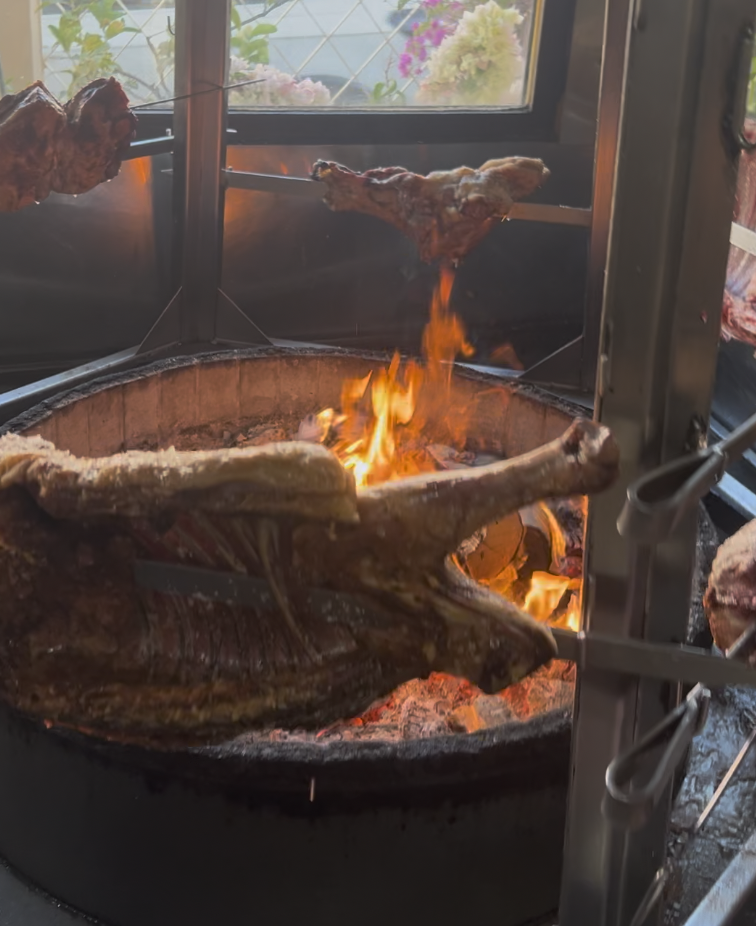
We were especially captivated by the way the meat is cooked. The restaurant To Antikristo serves meats prepared over an almost ritualistic fire. The pieces of meat aren't placed on a grill, but suspended over the embers of an olive wood fire, so that the rendered fat doesn't drip directly onto the flames. This eliminates smoke. Instead, the meat is tender, seared, and crispy.
A simple Greek salad and local olive oil are also served. Nothing more was needed.
That's all. And that's all.
This experience made me realize something very important – that our new way of eating isn't a system, neither burdensome nor limiting. It's based on simplicity, quality, and trust in the product. And most importantly, it can be effortlessly transferred to your own kitchen. Or at least a little something.
How can I evoke this taste at home?
I start with good meat. It could be lamb or pork (like at our favorite Cretan restaurant). Meat needs time and rest.
Lamb à la To Anticristo
Ingredients:
1–1.2 kg lamb (preferably boneless shoulder)
2–3 cloves garlic (sliced)
2–3 limes (thinly sliced)
2–3 tablespoons olive oil
coarse salt, freshly ground pepper
1 sprig rosemary or thyme (optional)
¼ cup water or light broth for basting
Marinating:
I cut the meat into large pieces and don't add salt at this stage. I mix it with garlic, olive oil, herbs, and lime slices—not the juice. I refrigerate it overnight, preferably in a sealed container.
Roasting (without overdrying):
I remove the meat from the refrigerator at least 30 minutes in advance to let it warm up.
I arrange them tightly in an ovenproof dish, interspersed with lime slices.
Bake, covered or tightly covered with foil:
160°C (350°F) for about 2.5 hours, basting once or twice with water or broth.
For the last 20-30 minutes, I uncover the dish, transfer the meat to a wire rack, place it on the dish, and increase the temperature to 190-200°C (350-400°F) to lightly brown the top and evaporate any excess liquid.
The meat is juicy, tender, yet crispy on top. The lime imparts a fresh, slightly smoky aroma, without any sourness. This isn't a replica of Crete, but rather a memory of it, brought home.
