
Pumpkin - The Glow of Autumn
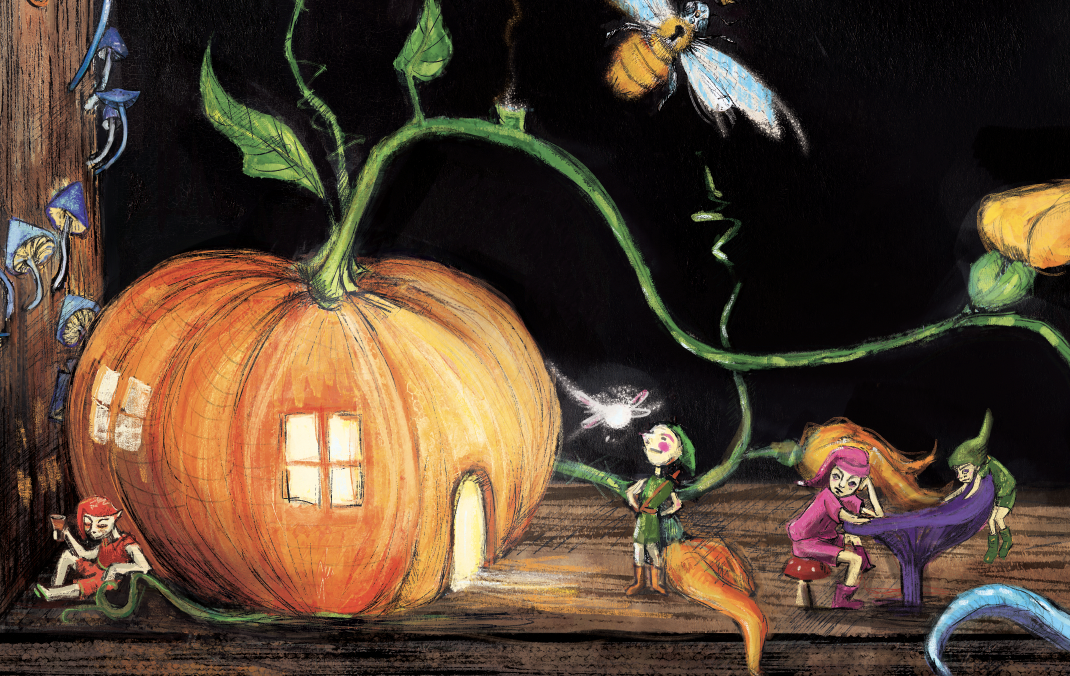
It grows on the ground, yet looks almost like the sun. It is a symbol of the harvest, and somehow it has also become a face of death. It is difficult to believe that it came to us from across the ocean. It looks as though it has always belonged to the European autumn, fiery orange like the setting sun.
Pumpkin and I met relatively recently. It was never cooked in my family home. But when we finally found each other, it was love at first sight.
I start thinking about pumpkin every year in the second half of September, when the mornings and evenings turn cold, sometimes even frosty. There is something of captured summer about it. That intense orange looks like light stored inside, and that is exactly how it feels to me when pumpkin arrives on the table.
It warms the whole body from within, exactly as it looks like it should.
Pumpkin is a little like a guardian between two worlds. It frightens, illuminates and feeds.
In Mexico, where pumpkins were cultivated long before the arrival of the Spanish, calabaza still appears on Día de Muertos altars as food prepared for the dead. At the same time, pumpkin is one of the last gifts of the fading harvest season.
Across the ocean, it acquired another life. We hollow it out, cut enormous teeth into it and light a flame inside. Today it is difficult to imagine Halloween without the orange pumpkin, although in the British Isles similar lanterns were once carved from turnips and swedes. In America, the local pumpkin proved almost perfectly made for the job.
It has grown so deeply into the European autumn that it is difficult to believe it came from another world. From the beginning of September, it starts appearing in shops, restaurants and on tables across the continent. From Britain to Greece, from Portugal to Poland.
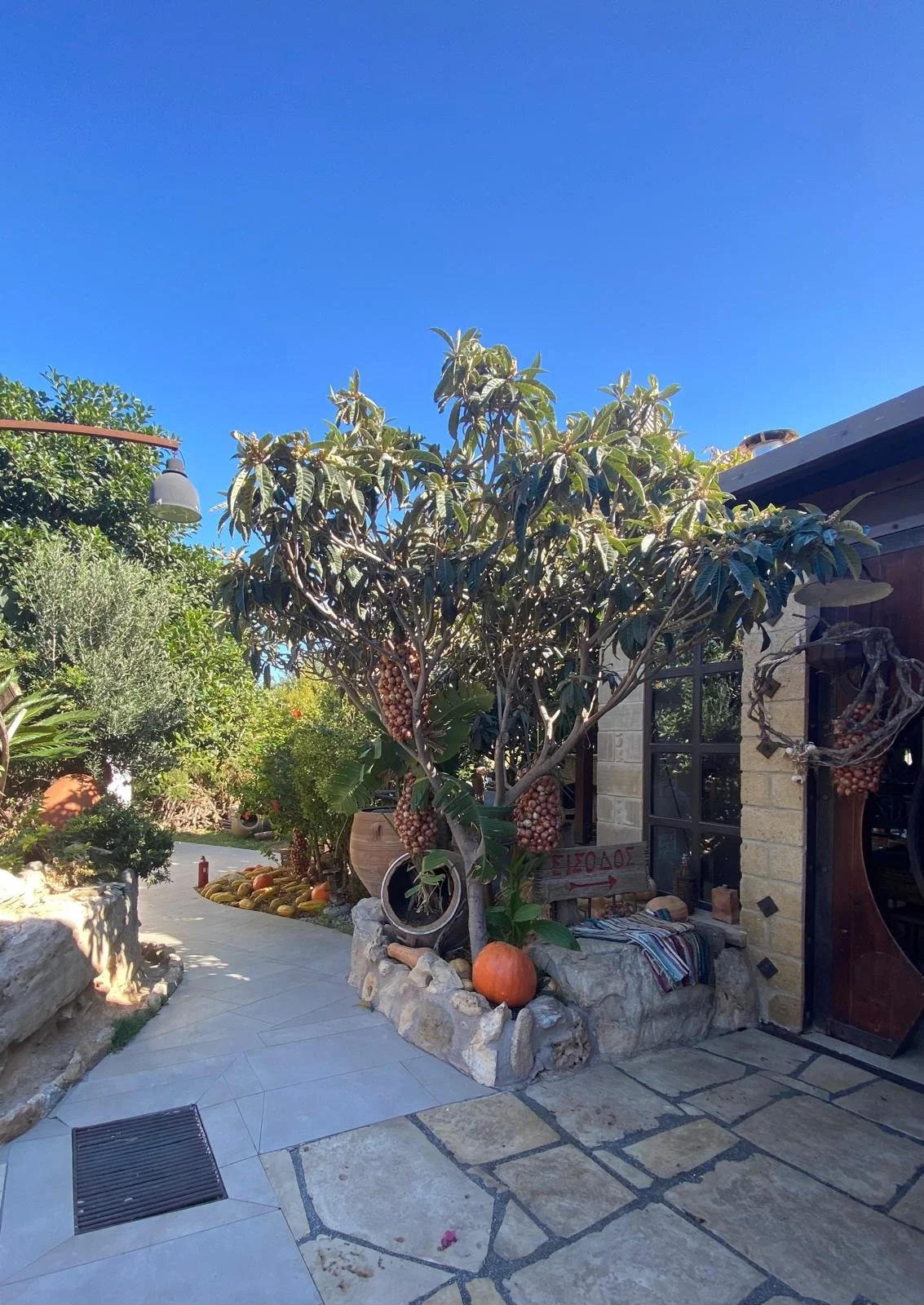
It can be wonderful food, filled with the warmth of summer. It can become a vessel, or a lantern for Jack, wandering endlessly through the world.
And, for one extraordinary night, it can even become a carriage for Cinderella.
Pumpkin came to Europe from across the ocean, yet made itself at home surprisingly quickly. We already find it on the tables of the Polish nobility in old cookery books, although under a name that sounds almost unfamiliar today: korbas.
In the cookery book of Katarzyna Sobieska Radziwiłł, sister of King John III Sobieski, korbasy were cut into pieces and baked in a pot placed amongst the hot coals. They were then combined with egg yolks, sweet cream, sugar, butter and a little rosewater.
Several hundred years later, the combination sounds strange enough to me that, when I return to my own kitchen, I think I shall have to find out what Katarzyna’s korbas actually tasted like.
Source: „Moda bardzo dobra smażenia różnych konfektów i innych słodkości, a także przyrządzania wszelkich potraw, pieczenia chleba, i inne sekreta gospodarskie i kuchenne”, ed. J. Dumanowski and R. Jankowski, Monumenta Poloniae Culinaria, vol. II, Warsaw, 2011.
Perhaps pumpkin and I have something in common, then. It too was once new here.
We have not known each other for very long, but I think we are together for good now. It visits me every autumn, glowing with orange light.
I capture that warmth in a bowl of hot soup, and now I am sharing it with you.
Autumn Pumpkin Soup
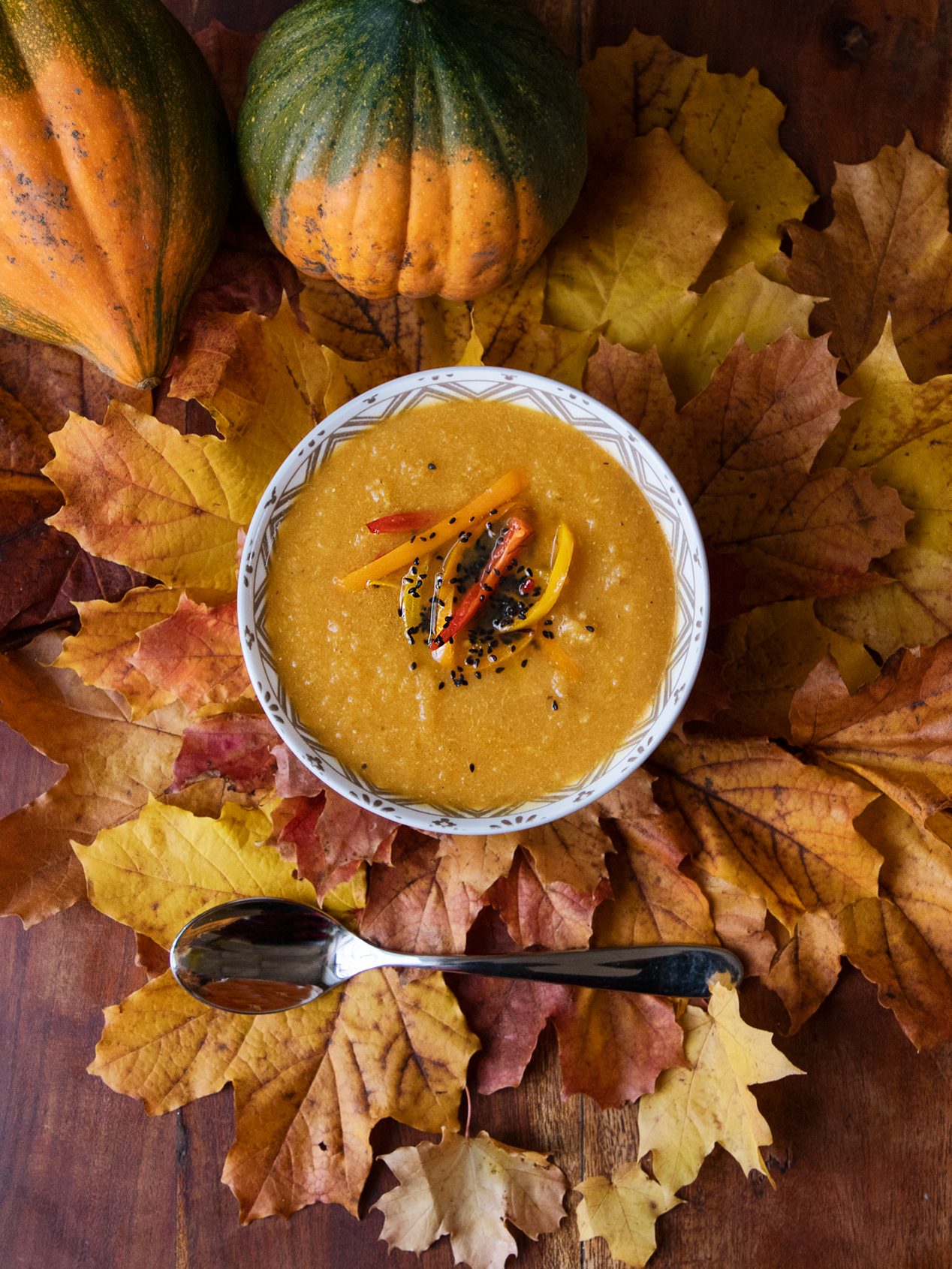
Cook the pumpkin, cut into cubes, in a good broth, preferably goose broth. You can leave the skin on, as it will soften during cooking, although I prefer to peel the pumpkin.
Add a clove of garlic. When the pumpkin is completely soft, blend everything until smooth and add some good cream.
Serve hot, scattered with toasted pumpkin seeds.
